




Nearly half of California workers have taken some form of leave in the past year, yet many still miss out on important protections and benefits because they do not fully understand their rights. Knowing where you stand with eligibility and documentation helps you manage time away from work without stress or confusion. This guide covers what every California employee needs to know to request leave with confidence and avoid costly mistakes.
Step 1: Identify Your Leave Eligibility and Legal Rights
Understanding your leave eligibility is a critical first step in protecting your workplace rights as a California employee. By knowing precisely what types of leave you can legally request, you set the foundation for successfully managing your professional and personal responsibilities.
According to the California Department of Industrial Relations, the California Family Rights Act (CFRA) provides eligible employees the opportunity to take unpaid leave for significant family and medical reasons. This includes circumstances like caring for a seriously ill family member or addressing your own serious health condition. To determine your eligibility, you need to assess several key factors.
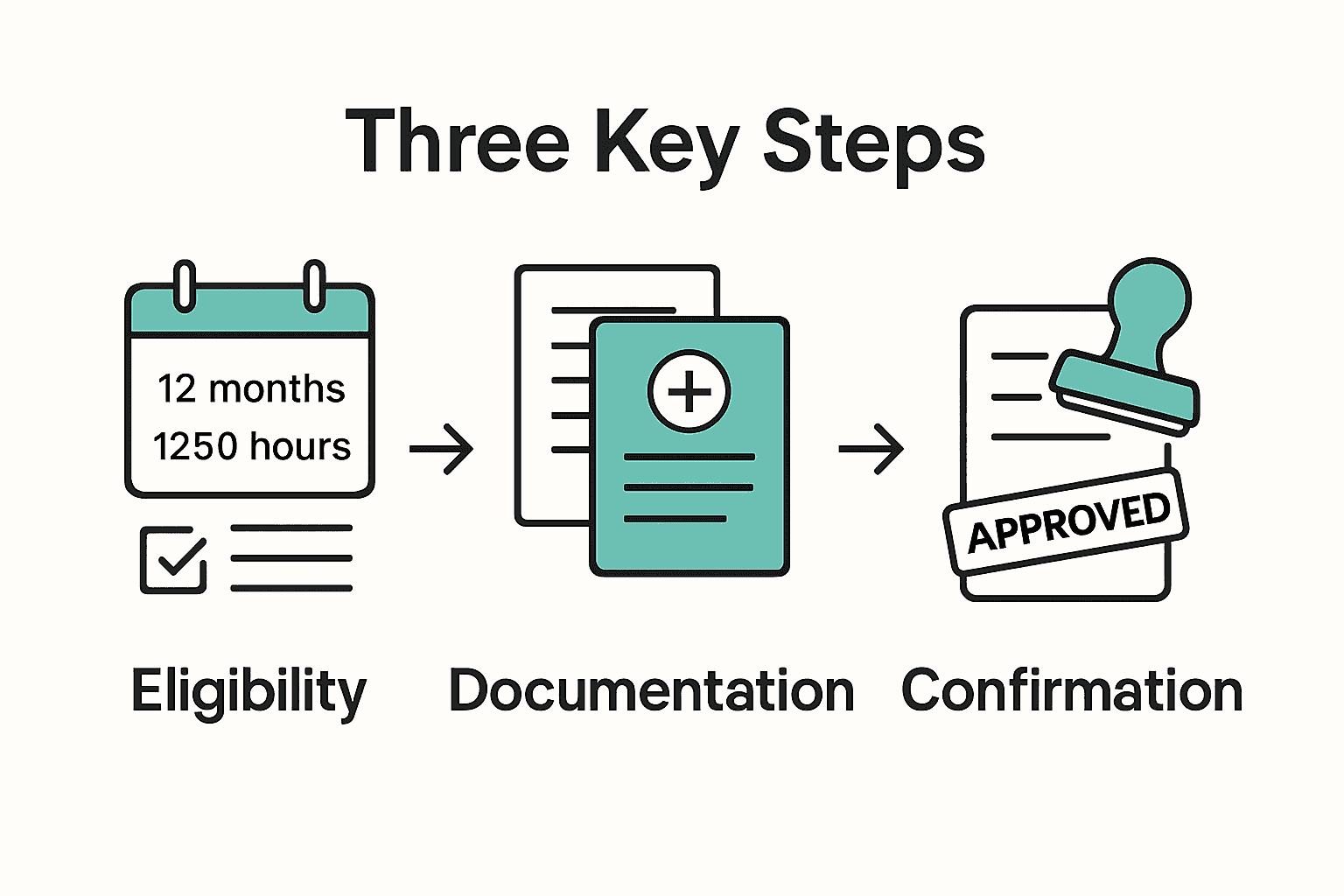
First, check your employment status and company size. Generally, CFRA applies to companies with 5 or more employees, and you must have worked for your employer for at least 12 months and completed 1250 work hours in the past year. California Paid Sick Leave laws also mandate that most employees earn paid sick time, which provides additional protection for your health and family needs.
Pro Tip: Always document your leave request and keep copies of all communication with your employer to protect your legal rights.
Different types of leave have specific requirements. Pregnancy disability leave, medical leave, and family care leave each have unique eligibility criteria. Consulting your HR department or reviewing your employee handbook can provide specific details about your company’s leave policies. The next step is to formally request your leave with proper documentation and understanding of your rights.
Step 2: Gather Required Documentation and Details
Successfully requesting leave means being prepared with the right documentation and details. Your goal in this step is to collect and organize all necessary paperwork that will support your leave request and demonstrate your eligibility.
According to the California Department of Human Resources, you will need to complete specific forms to initiate your leave process. CalHR recommends starting with the ‘Notice of Eligibility and Rights and Responsibilities’ form which serves as your official documentation for leave request. This form requires you to provide comprehensive information about the nature of your leave including:
- Specific dates of requested leave
- Reason for leave (medical, family care, personal health)
- Expected duration of absence
- Contact information during leave
- Medical certification or supporting documentation
Pro Tip: Make copies of all submitted documents and maintain a personal file tracking your leave request communication.
Medical certification is often a crucial component of your documentation. If your leave is health related, secure a detailed statement from your healthcare provider that explains the medical necessity of your absence. This documentation should clearly outline the expected duration and any work restrictions. Keep all communication professional and timely to ensure a smooth approval process.
Your next step will involve submitting these carefully prepared documents to your human resources department.
Step 3: Compose and Submit a Written Leave Request
Crafting a professional and comprehensive written leave request is crucial to ensuring your time off is approved smoothly and efficiently. Your written request serves as an official communication that documents your need for leave and provides your employer with clear understanding of your circumstances.
According to San Luis Obispo County Human Resources, employees should submit a detailed written request that outlines the specific reason for leave, anticipated duration, and includes all relevant supporting documentation. When composing your request, be sure to include these essential elements:
- Your full name and job title
- Specific start and end dates of requested leave
- Precise reason for leave (medical, family care, personal)
- Contact information during your absence
- Attached medical certification or supporting documents
Pro Tip: Use a professional tone and be concise yet comprehensive in your written request.
When submitting your request, follow your company’s specific protocols. Some employers prefer email submissions while others require formal paper documents. California Department of Human Resources recommends using their standardized leave request forms to ensure you provide all necessary information. Keep a copy of your submission for your personal records and follow up with your HR department within a few days to confirm receipt of your request. Your next step will involve tracking the status of your leave request and preparing for potential follow-up questions.
Step 4: Communicate With Your Employer About Next Steps
After submitting your leave request, proactive communication with your employer becomes critical in ensuring a smooth approval process. This step involves following up professionally and understanding the specific requirements and expectations for your leave.
Employees should engage in a detailed discussion with their employer about the next steps following a leave request. This conversation should cover important details such as the timeline for approval, any additional documentation needed, and potential follow up requirements. Your goal is to demonstrate transparency and cooperation throughout the process.
Schedule a meeting or phone call with your HR representative to review your request. During this conversation, be prepared to discuss:
- Specific dates of your proposed leave
- Reasons for your leave request
- Any potential impact on current projects
- Your availability during leave
- Contact methods for urgent workplace matters
Pro Tip: Always maintain a professional and solution oriented approach during these discussions.
Remember that understanding potential workplace transitions can help you navigate complex employment situations more effectively. Keep detailed records of all communications and be ready to provide any supplemental information your employer might require. Your final step will involve confirming the official approval of your leave request and preparing for your time away from work.
Step 5: Confirm Leave Approval and Retain Documentation
Securing formal approval of your leave request is the critical final step in protecting your employment rights and ensuring a smooth absence from work. This stage involves obtaining official confirmation and meticulously preserving all related documentation for your personal records.
California Department of Human Resources emphasizes that employees should receive a formal notice from their employer confirming the specific details of their approved leave. This document serves as your official authorization and legal protection. When you receive this confirmation, carefully review it to ensure all details are accurate including:
- Exact start and end dates of your leave
- Specific conditions or requirements
- Any expected communication protocols
- Return to work expectations
- Contact information for HR representative
Pro Tip: Create both digital and physical copies of all leave related documentation.
Digital organization matters as much as physical preservation. Create a dedicated folder on your computer and in your email system to store electronic copies of all leave request materials. Understanding potential workplace transitions can help you navigate potential complications. By maintaining comprehensive records, you protect yourself legally and ensure smooth communication with your employer during and after your leave period.
Secure Your Right to Leave with Confidence
Navigating the legal steps for requesting leave as a California employee can feel overwhelming. You want to make sure your leave request is done correctly to protect your job and receive the benefits you deserve. Knowing your eligibility, preparing proper documentation, and communicating clearly are essential but complex tasks. That is why understanding your rights and having reliable guidance is so important.
Empower yourself by visiting California Labor Law, a trusted resource dedicated to helping employees like you understand workplace rights and legal protections. Here you will find clear guides on leave laws, helpful tools for tracking your claims, and access to legal advocates ready to assist if you face obstacles with your leave.
Don’t wait until it is too late, take action now by filling out our free leave request consultation form or calling 1-866-355-9991 to ensure your leave request is handled legally and professionally. Start with expert information and support at California Labor Law and get the peace of mind you deserve today.
Frequently Asked Questions
What types of leave am I eligible to request as a California employee?
Understanding your eligibility is essential; you can request leaves such as medical leave, family care leave, or pregnancy disability leave under the California Family Rights Act (CFRA). Verify your employment status, ensuring you have worked for at least 12 months and completed 1,250 work hours within the past year before submitting a request.
How do I gather the necessary documentation for my leave request?
To support your leave request, collect relevant documentation such as the ‘Notice of Eligibility and Rights and Responsibilities’ form and any medical certifications if applicable. Assemble all required paperwork in one folder, and make copies for your records to streamline the submission process.
What should I include in my written leave request to ensure approval?
Your written leave request should clearly state your full name, job title, specific leave dates, reason for leave, and attach any supporting documents such as medical certifications. Make your request concise yet comprehensive to facilitate a quick response from your employer.
How do I communicate with my employer after submitting my leave request?
After submitting your request, schedule a follow-up meeting or phone call with your HR representative to discuss any questions or additional documentation needed. This proactive communication ensures that you remain engaged and aware of the approval timeline and expectations.
What steps should I take to confirm the approval of my leave?
Once you receive confirmation of your leave, review the details to ensure accuracy regarding dates and terms. Save all approval documents both digitally and physically to maintain a reliable record of your leave status and protect your rights.
How can I prepare for my return to work after my leave?
To prepare for your return, review your employer’s expectations outlined in the approval notice and confirm any necessary communication during your leave. Contact your HR department a few days before your return to clarify any uncertainties regarding your reintegration into the workplace.