



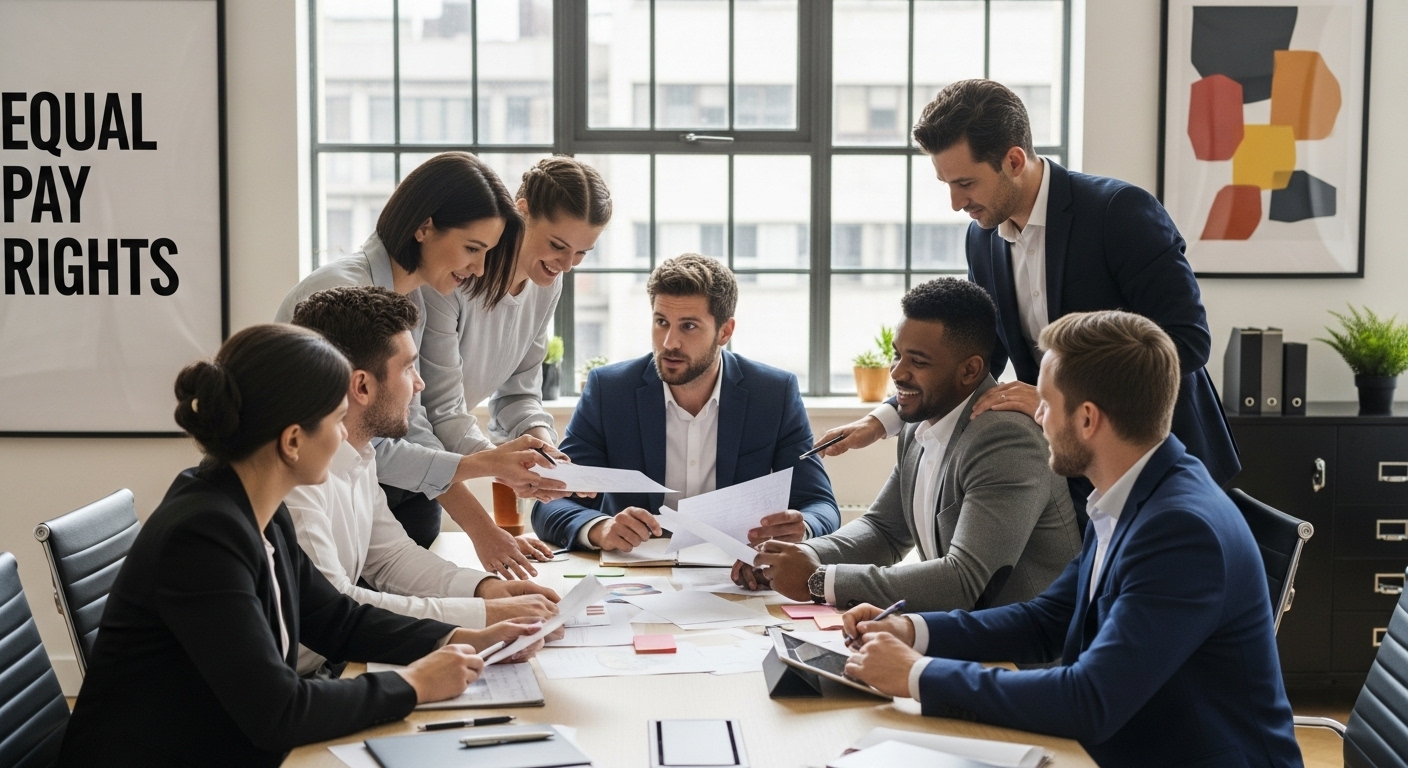
Equal pay rights are shaking up how companies treat their workers. More than 42 percent of women in the United States say they personally experienced workplace wage discrimination. It may sound like just another policy issue but the surprising truth is these rights are not only about money—they shape real lives, families, and futures in ways most people never imagine.
What are Equal Pay Rights and Their Importance?
Equal pay rights represent a fundamental principle of workplace fairness that ensures employees receive compensation based on their job responsibilities, skills, and performance rather than discriminatory factors like gender, race, or age. These legal protections are critical mechanisms designed to prevent systemic wage discrimination and promote economic equity.
Understanding the Core Principles of Equal Pay
At its foundation, equal pay rights mandate that employees performing substantially similar work receive comparable compensation, regardless of personal characteristics. Investigating employer wage practices reveals how critical these protections are in preventing systemic workplace discrimination.
The legal framework for equal pay rights encompasses several key dimensions:
- Compensation must be determined by objective job-related factors
- Skill, effort, and responsibility levels should drive wage determinations
- Employers cannot justify pay disparities based on gender or protected characteristics
Why Equal Pay Rights Matter
According to the U.S. Equal Employment Opportunity Commission, equal pay rights serve multiple critical societal functions. They are not merely legal mandates but fundamental instruments of economic justice that:
- Reduce systemic economic inequalities
- Promote workplace fairness and merit-based compensation
- Provide legal recourse for workers experiencing wage discrimination
Beyond individual fairness, equal pay rights contribute to broader economic stability. When workers are compensated fairly, they can better support their families, invest in personal development, and contribute more effectively to economic productivity. The ripple effects of wage equity extend far beyond individual paychecks, influencing community economic health and social mobility.
Employees who recognize and understand their equal pay rights are better equipped to challenge discriminatory practices and seek fair compensation. Knowledge becomes a powerful tool in dismantling longstanding wage disparities and creating more transparent, equitable workplaces.
The Legal Framework Supporting Equal Pay Rights
The legal framework for equal pay rights represents a comprehensive system of federal and state laws designed to protect workers from discriminatory compensation practices. These legal protections form a robust mechanism that ensures workplace fairness and economic justice across various employment sectors.
Key Federal Legislation Protecting Pay Equity
Multiple critical federal laws establish the foundation for equal pay rights. Learn about workplace discrimination claims to understand how these legal protections work in practice. The primary legislative mechanisms include:
- The Equal Pay Act of 1963, which prohibits wage discrimination based on gender
- Title VII of the Civil Rights Act of 1964, preventing compensation discrimination
- The Lilly Ledbetter Fair Pay Act of 2009, expanding workers’ ability to challenge pay disparities
According to the Legal Information Institute at Cornell Law School, these laws establish critical standards for workplace compensation. They mandate that employers cannot pay different wages to employees performing substantially similar work, except when differences can be justified by factors such as seniority, merit, quantity or quality of production, or a factor other than gender.
Enforcement and Legal Protections
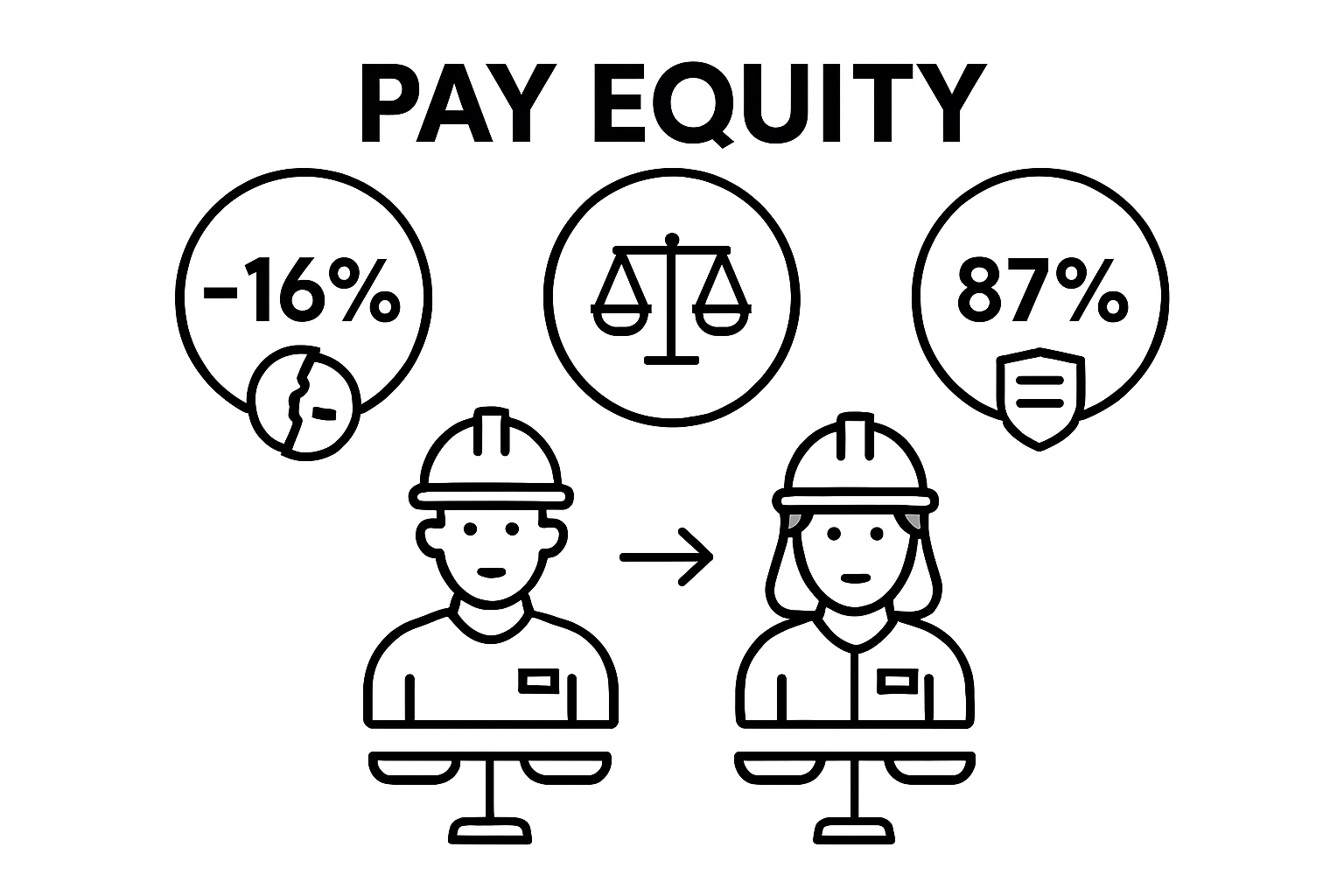
The enforcement of equal pay rights involves multiple government agencies, with the Equal Employment Opportunity Commission (EEOC) playing a pivotal role. Workers who experience wage discrimination can file complaints, seek back pay, and potentially receive damages for unfair compensation practices.
Employers found in violation of equal pay laws may face significant legal consequences, including:
- Mandatory payment of back wages
- Potential compensatory and punitive damages
- Required changes to compensation structures
- Potential federal contract disqualification
Understanding these legal protections empowers workers to recognize and challenge unfair compensation practices, ultimately promoting greater workplace equity and economic justice.
Below is a table summarizing the major federal laws that support equal pay rights and the protections they offer employees in the United States.
| Law | Year | Purpose | Key Protections |
|---|---|---|---|
| Equal Pay Act | 1963 | Prohibits wage discrimination based on gender | Requires equal pay for substantially similar work |
| Title VII, Civil Rights Act | 1964 | Prevents compensation discrimination for protected characteristics | Bans discrimination based on race, gender, etc. |
| Lilly Ledbetter Fair Pay Act | 2009 | Expands period for wage discrimination claims | Extends time to challenge unequal pay |
Common Myths and Misconceptions About Equal Pay
Equal pay discussions are often clouded by persistent myths and misunderstandings that obscure the real challenges workers face in achieving wage equity. These misconceptions not only perpetuate unfair compensation practices but also discourage workers from understanding and asserting their rights.
Debunking Workplace Pay Equity Myths
Learn about wage theft prevention strategies can help workers better understand the complexities of compensation discrimination. Several prevalent myths continue to distort public understanding of equal pay:
- The myth that pay disparities are a thing of the past
- Beliefs that women choose lower-paying careers
- Assumptions that negotiation skills alone determine compensation
According to Rice University research, these myths significantly misrepresent the complex realities of workplace compensation. For instance, the notion that women simply choose less lucrative professions is fundamentally flawed. Women now hold more college and graduate degrees than men, yet continue to experience systematic wage discrimination across various professional sectors.
Understanding the Real Barriers to Pay Equity
Contrary to popular belief, pay inequity is not a result of individual choices but a systemic issue rooted in deeper structural biases. The persistent wage gap cannot be explained by education, experience, or negotiation skills alone. Women who negotiate salaries often face more significant pushback compared to their male counterparts, revealing subtle but powerful workplace discrimination mechanisms.
The most damaging myths about equal pay include:
- Pay differences are always merit-based
- Discrimination is rare in modern workplaces
- Individual effort completely determines compensation
By recognizing and challenging these misconceptions, workers can more effectively advocate for fair compensation and hold employers accountable for discriminatory practices. Understanding the nuanced reality of pay equity is the first step toward meaningful workplace change.
This table organizes some of the most common myths about equal pay discussed in the article along with the corresponding realities that debunk them.
| Common Myth | Reality Explained |
|---|---|
| Pay disparities are a thing of the past | Wage discrimination continues to affect many workers across sectors |
| Women choose lower-paying careers | Women now earn more degrees, yet experience systematic wage discrimination |
| Negotiation skills alone determine compensation | Workplace bias and systemic barriers impact negotiation outcomes and pay |
| Pay differences are always merit-based | Not all wage gaps can be explained by performance or objective job factors |
| Discrimination is rare in modern workplaces | Subtle and overt forms of wage discrimination still persist |
How Wage Discrimination Affects Employees
Wage discrimination is a profound issue that extends far beyond monetary losses, creating long-lasting psychological, professional, and economic impacts on affected workers. These discriminatory practices systematically undermine individual potential and perpetuate broader societal inequalities.
Economic and Personal Consequences
Understanding workplace compensation challenges reveals the multifaceted nature of wage discrimination. The financial repercussions of unequal pay are substantial and cumulative, potentially resulting in significant lifetime earning disparities.
Employees experiencing wage discrimination encounter several critical challenges:
- Reduced lifetime earning potential
- Diminished retirement savings and long-term financial stability
- Increased psychological stress and workplace disengagement
- Compromised professional growth opportunities
According to the U.S. Equal Employment Opportunity Commission, wage discrimination creates systemic barriers that prevent workers from achieving their full economic potential. These disparities are not merely temporary setbacks but profound structural challenges that impact entire career trajectories.
Psychological and Professional Impact
Beyond financial implications, wage discrimination inflicts significant psychological damage. Workers who recognize they are being systematically underpaid experience:
- Decreased job satisfaction
- Reduced workplace motivation
- Higher levels of professional burnout
- Diminished sense of organizational commitment
The persistent experience of being undervalued can lead to long-term professional disengagement, creating a cycle of reduced opportunities and continued economic marginalization.
 Employees may become less likely to pursue leadership roles or invest in professional development when they perceive the workplace as fundamentally unfair.
Recognizing and addressing wage discrimination is not just a legal obligation but a critical step in creating inclusive, equitable work environments that empower all employees to reach their full potential.
Resources for Understanding and Exercising Equal Pay Rights
Navigating equal pay rights requires access to reliable information, supportive resources, and clear guidance. Employees seeking to understand and assert their compensation rights have multiple avenues for obtaining critical support and legal assistance.
Government and Official Resources
Learn about workplace discrimination protections can help workers understand their comprehensive legal rights. Several authoritative resources provide comprehensive guidance on equal pay rights:
- The U.S. Equal Employment Opportunity Commission (EEOC) website
- Department of Labor online resources
- State labor department websites
- Legal aid organizations specializing in employment discrimination
According to the U.S. Equal Employment Opportunity Commission, workers have multiple channels for addressing potential wage discrimination. The EEOC provides detailed guides, complaint filing procedures, and interpretative resources that help employees understand their legal protections.
Legal and Support Channels
Employees confronting potential wage discrimination can leverage various support mechanisms:
- Free initial legal consultations with employment attorneys
- Workers’ rights hotlines
- Online complaint submission platforms
- Professional advocacy groups focused on pay equity
These resources offer critical support by providing confidential advice, helping workers document potential discrimination, and guiding them through complex legal processes. Understanding how to effectively use these resources can significantly improve an employee’s ability to challenge unfair compensation practices and protect their rights.
Ready to Challenge Pay Discrimination? Protect Your Rights Now
If you are worried about unfair wages or confused by complicated pay rules, you are not alone. Many California employees wonder if wage gaps or subtle discrimination are costing them money. The article “Understanding Equal Pay Rights: A Clear Explanation” breaks down how pay discrimination impacts your income and future security. You do not have to put up with unfair treatment. There are easy ways to take action and protect what you have earned.
Explore free guides, helpful wage calculators, and find the support you need at California Labor Law. Start by learning how to fight employer wage theft, understand workplace compensation challenges, and get direct help from our top-rated employment law advocates. Do not wait. Your rights and your pay deserve immediate protection. Take your next step by calling 1-866-355-9991 and empower yourself today.
Frequently Asked Questions
What are equal pay rights?
Equal pay rights are legal protections that ensure employees receive the same compensation for performing substantially similar work, regardless of personal characteristics like gender, race, or age.
Why are equal pay rights important?
Equal pay rights matter because they promote workplace fairness, reduce systemic economic inequalities, and provide legal recourse for workers facing wage discrimination, contributing to broader economic stability and justice.
What laws support equal pay rights in the United States?
Key federal laws supporting equal pay rights include the Equal Pay Act of 1963, Title VII of the Civil Rights Act of 1964, and the Lilly Ledbetter Fair Pay Act of 2009, which collectively prohibit wage discrimination based on gender and other protected characteristics.
How can employees challenge wage discrimination?
Employees can challenge wage discrimination by filing complaints with the Equal Employment Opportunity Commission (EEOC) or their state labor department, seeking legal advice, and utilizing available resources to understand their rights and protections.