




Nearly 60 percent of workers say they have witnessed or experienced some form of workplace hostility during their careers. With the complex rules that govern California workplaces, understanding what truly defines a hostile work environment is critical.
This guide breaks down the legal definitions, common warning signs, and the strong protections available to employees so you can recognize and respond to mistreatment before it escalates.
Defining Hostile Work Environments in California
In California, a hostile work environment represents more than just an unpleasant workplace – it’s a serious legal concept with specific legal standards that protect employees from persistent, severe, or pervasive harassment.
When workplace interactions cross the line from normal workplace tension into systematic mistreatment, workers have legal recourse under state and federal employment laws.
A hostile work environment occurs when unwelcome conduct based on protected characteristics like race, gender, age, disability, or sexual orientation becomes so severe or persistent that it creates an intimidating, offensive, or humiliating work atmosphere.
These behaviors must be more than isolated incidents – they need to be consistent patterns that a reasonable person would find intolerable.
Understanding workplace harassment laws provides critical insight into recognizing these complex workplace dynamics.

The key elements that transform workplace interactions into legally actionable harassment include frequency, severity, and whether the conduct unreasonably interferes with an employee’s work performance.
Not every rude comment constitutes a hostile environment, but ongoing patterns of discriminatory behavior, offensive jokes, intimidation, or unwanted physical contact can create substantial legal grounds for a complaint.
Verbal harassment, physical harassment, visual harassment (like offensive images), and digital communications all potentially contribute to creating a hostile workplace.
Specifically in California, employees are protected under both federal laws like Title VII of the Civil Rights Act and robust state-level protections that often provide broader definitions and stronger worker safeguards.
Employers have a legal obligation to prevent harassment, investigate complaints promptly, and take corrective action when inappropriate workplace behaviors are reported.
Workers experiencing persistent harassment should document incidents carefully, report them through official workplace channels, and understand that retaliation for reporting such behaviors is itself illegal.
Common Signs of Hostile or Abusive Conduct
Hostile workplace conduct can manifest through multiple complex and often subtle behaviors that systematically undermine an employee’s professional dignity and psychological safety. Recognizing these signs is crucial for workers to protect themselves and understand their legal rights.
Some behaviors might seem minor in isolation, but when patterns emerge, they can constitute serious workplace harassment that requires immediate intervention.
Critical signs of a hostile work environment include persistent verbal abuse, discriminatory comments, unwelcome sexual advances, or repeated offensive jokes targeting protected characteristics like race, gender, age, or disability.
Physical intimidation, excessive criticism, deliberate professional exclusion, and consistent undermining of an employee’s work performance are additional red flags.
Understanding workplace discrimination types provides deeper insights into how these behaviors can create toxic workplace dynamics.
Specific manifestations of hostile conduct often include deliberately creating difficult work conditions, withholding critical information needed to perform job duties, spreading malicious rumors, making threatening gestures, or consistently assigning impossible workloads designed to cause failure.
Digital harassment through inappropriate emails, texts, or online communications can also constitute workplace abuse. Importantly, these behaviors become legally actionable when they are severe, persistent, and create an environment that a reasonable person would find intimidating, humiliating, or offensive.
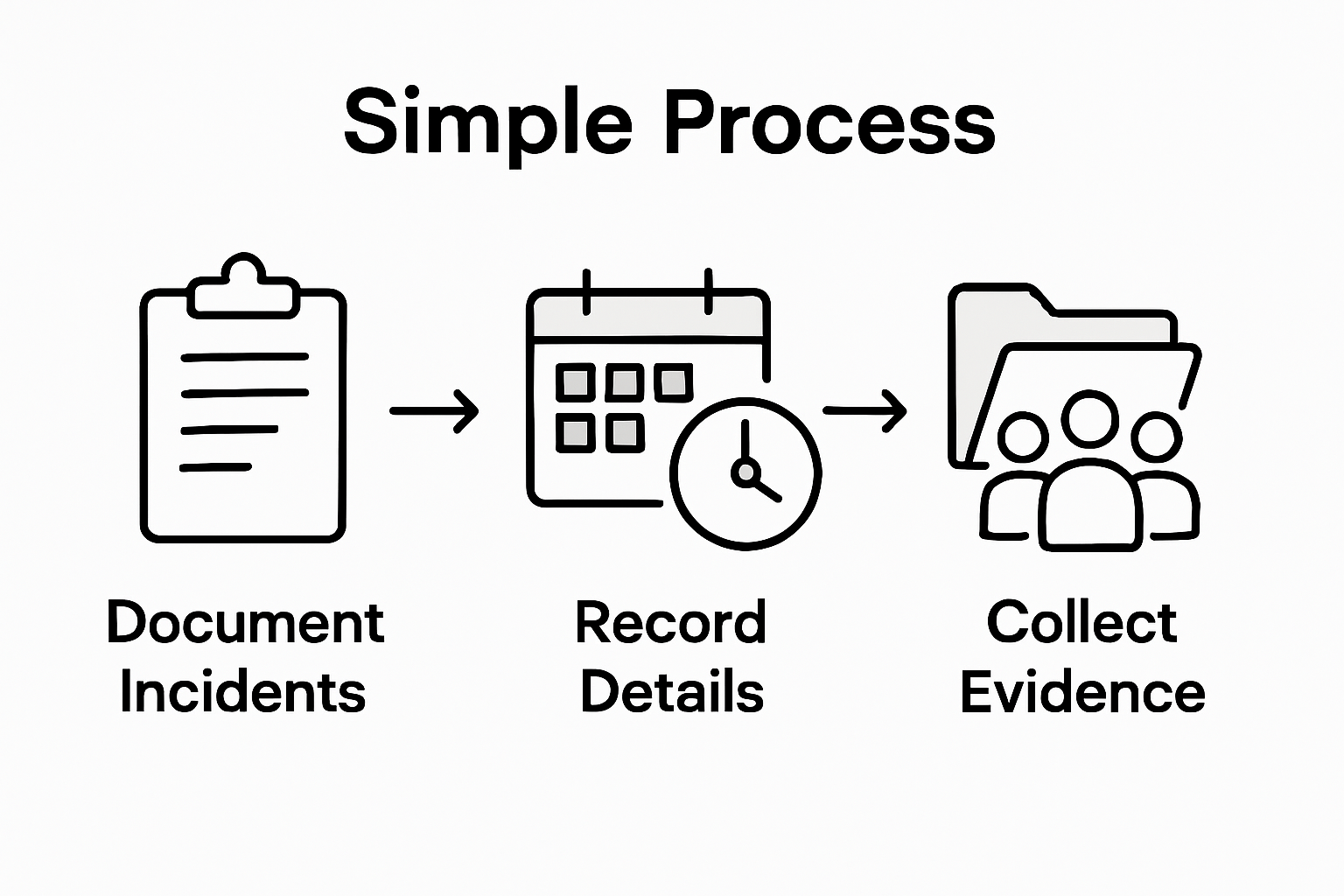
Employees experiencing these signs should meticulously document incidents, including dates, times, witnesses, and specific details.
Reporting through official workplace channels, maintaining a contemporaneous written record, and understanding that retaliation for reporting harassment is itself illegal are critical steps in addressing workplace abuse.
California law provides robust protections, and workers have multiple avenues for seeking resolution, including internal complaint procedures, state labor board complaints, and potential legal action against employers who fail to address systemic workplace harassment.
Legal Standards and Protections for Employees
California employment law provides robust legal protections that shield workers from hostile and discriminatory workplace environments. These comprehensive legal standards establish clear guidelines for acceptable workplace conduct and provide multiple avenues for employees to seek recourse when their professional rights are violated. The state’s legal framework goes beyond federal regulations, offering more expansive protections that prioritize employee dignity and workplace respect.
The primary legal mechanisms protecting California workers include Title VII of the Civil Rights Act, the California Fair Employment and Housing Act (FEHA), and several state-specific statutes.
These laws prohibit harassment, discrimination, and retaliation based on protected characteristics such as race, gender, age, disability, sexual orientation, and national origin.
How to document workplace harassment becomes critical in establishing a legal record that can support potential claims of workplace misconduct.
Employees have several legal recourse options when confronting hostile work environments. These include filing internal complaints with human resources, submitting claims to the California Department of Fair Employment and Housing (DFEH), pursuing federal complaints with the Equal Employment Opportunity Commission (EEOC), or initiating civil lawsuits against employers.
The legal standards require employers to take prompt, appropriate action when harassment is reported, with potential consequences including monetary damages, mandatory workplace training, and significant financial penalties for systematic workplace violations.
Importantly, California law provides strong anti-retaliation protections, ensuring that workers who report harassment or participate in investigations cannot face professional punishment or adverse employment actions.
This means employees can come forward without fear of losing their jobs, being demoted, or experiencing professional marginalization.
The legal framework is designed to create a transparent, accountable workplace environment where employees can work without experiencing systematic discrimination or harassment.
Employee Rights and Employer Responsibilities
In California, employee rights and employer responsibilities form a critical legal framework designed to protect workers and maintain professional workplace standards.
Employees possess fundamental rights that employers must respect, including protection from:
- discrimination,
- harassment,
- retaliation,
- and unfair treatment based on protected characteristics.
These rights extend beyond basic wage and hour regulations, encompassing comprehensive protections that safeguard personal dignity and professional opportunities.
Employers have explicit legal obligations to create and maintain a safe, respectful work environment. This includes implementing clear anti-harassment policies, conducting regular training, investigating complaints promptly, and taking corrective action when misconduct is identified.
Wrongful termination protections play a crucial role in ensuring that employees cannot be punished for asserting their legal rights or reporting workplace violations.
Key employer responsibilities include preventing discriminatory practices, maintaining transparent communication, and establishing formal mechanisms for addressing workplace grievances.
Specifically, California law requires employers to take proactive steps in preventing hostile work environments. This includes developing comprehensive written policies that clearly outline prohibited behaviors, establishing confidential reporting processes, and providing multiple channels for employees to raise concerns without fear of retaliation.
Employers must also maintain documentation of complaints, investigations, and corrective actions, demonstrating their commitment to maintaining a professional and respectful workplace.
The legal consequences for employers who fail to meet these responsibilities can be substantial. Potential penalties include monetary damages, mandatory workplace training, legal fees, and potential civil lawsuits.
Employees who experience violations of their rights can file complaints with state agencies like the California Department of Fair Employment and Housing (DFEH) or pursue legal action to seek remedies.
This robust legal framework ensures that workers have meaningful protections and employers have clear guidelines for maintaining professional, inclusive workplace environments.
Reporting Hostility and Seeking Legal Recourse
Navigating workplace hostility requires a strategic and documented approach that protects both an employee’s professional standing and legal rights. Reporting procedures are complex, involving multiple potential channels and requiring careful, methodical documentation of inappropriate workplace behaviors.
Employees must understand that their initial response to harassment can significantly impact potential future legal proceedings and workplace resolution efforts.
The first critical step in addressing workplace hostility involves internal reporting mechanisms. This typically means filing a formal written complaint with human resources or a designated supervisor, creating an official record of the harassment.
Detailed documentation is paramount – employees should meticulously record dates, specific incidents, potential witnesses, and any physical or digital evidence of misconduct.
Understanding workplace rights posters can provide additional guidance about employee protections and reporting procedures that are legally mandated in California workplaces.
When internal reporting fails to resolve the situation, employees have several external legal recourse options. These include:
- filing complaints with the California Department of Fair Employment and Housing (DFEH),
- submitting claims to the Equal Employment Opportunity Commission (EEOC),
- or initiating civil lawsuits against employers.
Each avenue has specific filing deadlines and procedural requirements, making it crucial for workers to act promptly and preserve all relevant documentation. The statute of limitations for filing workplace harassment claims in California is typically three years from the last incident of harassment, though this can vary depending on specific circumstances.
Professional legal consultation becomes essential when navigating complex harassment claims. Experienced employment attorneys can help evaluate the strength of a case, advise on the most appropriate reporting channels, and potentially negotiate settlements or represent employees in administrative hearings or court proceedings.
Workers should be prepared for potential challenges, including potential employer retaliation, which is itself illegal under California law.
The goal of the reporting process is not just individual resolution but also preventing future workplace misconduct and maintaining professional dignity.
Protect Yourself From Hostile Work Environments Today
If you are facing signs of a hostile work environment like persistent harassment or discrimination based on protected characteristics, you do not have to navigate this challenge alone.
Understanding your rights under California law is essential when confronting workplace hostility, retaliation, or abuse.
Take action now by exploring our comprehensive resources on how to document workplace harassment and understanding workplace harassment laws. These tools empower you to recognize illegal conduct and protect your career and well-being.
Visit California Labor Law today and take a look at our legal guides and connect with experienced legal advocates by calling 1-866-355-9991. We’re ready to support you every step of the way.
Frequently Asked Questions
What constitutes a hostile work environment?
A hostile work environment exists when unwelcome conduct based on protected characteristics, such as race or gender, becomes severe or persistent, creating an intimidating or offensive workplace atmosphere.
What are some common signs of a hostile work environment?
Common signs include:
- persistent verbal abuse,
- discriminatory remarks,
- unwelcome sexual advances,
- excessive criticism,
- physical intimidation,
- and consistent undermining of an employee’s work performance.
How should I report a hostile work environment?
Start by documenting incidents thoroughly, including dates, times, and any witnesses. Then, file a formal complaint with human resources or a designated supervisor to create an official record.
What legal protections do employees have against workplace hostility?
Employees are protected under both federal laws like Title VII and California’s Fair Employment and Housing Act, which prohibit harassment and retaliation, ensuring employees can report issues without fear of professional punishment.