




Over half of the tech startup employees in California report feeling burned out by long hours and unclear boundaries. Chaotic schedules, after-hours emails, and the pressure to always be “on” take a toll on your mind and personal life. This guide gives practical, legally compliant strategies to help you reclaim control, protect your well-being, and thrive in California’s fast-paced startup scene.
Step 1: Identify your work-life needs
In California’s dynamic tech startup ecosystem, understanding your personal work-life boundaries starts with honest self reflection. Insights from technology professionals reveal chronic stress and burnout are increasingly common challenges that require proactive management.
To effectively identify your work-life needs, begin by conducting a personal audit of your current professional situation. Track your weekly work hours, emotional energy expenditure, and moments of peak stress. Notice patterns like consistently working beyond standard hours, checking work emails during personal time, or feeling mentally exhausted after workdays. Pay special attention to how these patterns impact your physical health, relationships, and overall sense of wellbeing.

Start mapping out your ideal work week by creating clear demarcations between professional responsibilities and personal time. Consider your unique needs as a tech professional, recognizing that work-life balance directly influences mental health and productivity. This means defining specific boundaries like predetermined work hours, communication response windows, and dedicated personal recovery time.
Pro tip: Use a digital journal or spreadsheet to objectively track your work patterns and emotional states, providing concrete data to help you understand and adjust your work-life integration strategy.
Step 2: Review applicable California labor laws
Understanding California labor laws is crucial for tech professionals establishing workplace boundaries. The California Department of Industrial Relations provides comprehensive guidance on worker protections that can significantly impact your work environment and personal rights.
Start by examining key legal protections specific to California tech workers. This includes regulations around overtime compensation, mandatory rest and meal breaks, retaliation protections, and specific guidelines for remote and in office employees. Pay special attention to nuanced state regulations that go beyond federal standards such as California’s strict overtime rules, which require employers to pay overtime for work beyond 8 hours in a single day or 40 hours in a work week.
Review the specific labor code sections that apply to technology startups, focusing on your unique employment situation. Look into protections around reasonable work hours, compensation for extended work periods, and the legal requirements for maintaining clear professional boundaries. Understanding these laws empowers you to recognize potential workplace violations and take appropriate action to protect your professional rights.
Pro tip: Create a digital folder with screenshots and copies of your employment contract, job description, and relevant labor law sections to maintain a quick reference guide for your workplace rights.
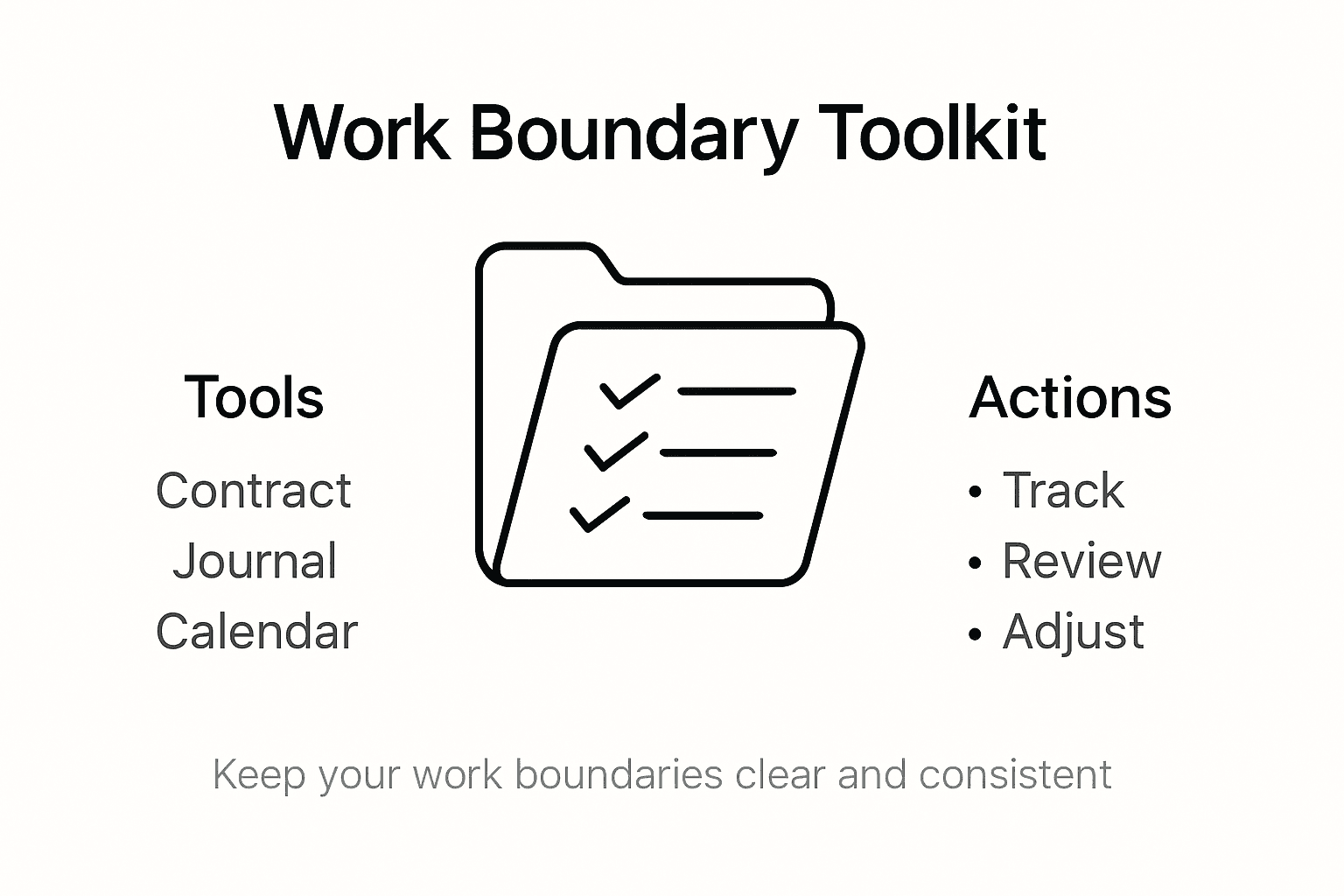
Here’s a quick reference guide to key California labor laws affecting tech professionals:
| Legal Area | California Standard | Practical Impact |
|---|---|---|
| Overtime Pay | After 8 hrs/day or 40 hrs/week | Ensures fair compensation for long hours |
| Rest Breaks | 10 min per 4 hrs worked | Protects regular, paid downtime |
| Meal Periods | 30 min after 5 hrs | Supports scheduled meal breaks |
| Retaliation Protection | Strict enforcement | Secures rights when reporting issues |
| Remote Work Guidelines | State laws apply | Ensures equal rights for remote staff |
Step 3: Communicate boundaries with your team
Effectively communicating workplace boundaries requires strategic planning and clear communication. Understanding the psychological dynamics of team interactions helps create a framework for setting professional limits that respect both individual needs and team goals.
Begin by scheduling a dedicated conversation with your team or direct manager to articulate your specific work boundaries. Clearly outline your availability windows, preferred communication channels, and expectations around after hours work. Be specific about response times for different communication platforms like email, slack, or project management tools. In startup environments where overcommitment is common, articulating your limits prevents potential misunderstandings and burnout while maintaining professional relationships.
Frame your boundaries as collaborative solutions rather than restrictive rules. Explain how maintaining clear work limits actually improves your overall productivity and team performance. Demonstrate that your boundaries are designed to help you contribute more effectively, not to create distance. Use concrete examples of how these boundaries will help you maintain high quality work and consistent team engagement.
Pro tip: Practice your boundary communication script with a trusted colleague or friend beforehand to build confidence and refine your approach.
Step 4: Establish enforcement strategies for boundaries
Navigating workplace boundary enforcement requires a strategic approach that balances professionalism with personal well-being. The key is creating consistent, measurable strategies that protect your professional limits without damaging team dynamics.
Develop a clear documentation system to track boundary violations and your responses. This might include logging unexpected after hours communication attempts, tracking unsolicited work requests, and noting instances where your established communication windows are disregarded. In California startup environments, using workforce analytics can help objectively monitor and enforce work-life boundaries, providing concrete evidence of potential systemic issues beyond individual interactions.
When boundary violations occur, respond with a consistent and professional communication strategy. Address each incident directly but constructively, referencing the previously discussed boundaries and explaining the specific impact of the violation. Use specific examples and focus on collaborative solutions rather than confrontational language. Be prepared to escalate to management if repeated violations occur, framing the conversation around team productivity and individual performance sustainability.
Pro tip: Create a personal tracking spreadsheet with date, incident type, and resolution to help you identify patterns and maintain objective documentation of boundary challenges.
Compare methods for enforcing boundaries effectively:
| Enforcement Method | Strength | Best Use Case |
|---|---|---|
| Documentation | Tracks violations clearly | Ongoing pattern detection |
| Direct Feedback | Addresses incidents promptly | One-off communication breaches |
| Tech Analytics | Objective data collection | Large remote teams |
| Management Escalation | Formalizes repeat issues | Continued boundary disregard |
Step 5: Monitor compliance and adjust as needed
Effective boundary management requires consistent tracking and strategic adaptation. Task management solutions can help California tech professionals implement systematic approaches to monitoring workplace boundaries and ensure ongoing alignment with your professional goals.
Schedule quarterly personal reviews of your boundary strategies to assess their effectiveness. Analyze your documentation tracking boundary violations, team interactions, and personal stress levels. Look for patterns that indicate successful boundary maintenance or areas requiring adjustment. Consider factors like communication frequency, response times, and overall team dynamics. Regular compliance audits are crucial for tech professionals to adapt policies and maintain clear workplace expectations as organizational needs and personal circumstances evolve.
Remain flexible and open to refining your approach. Some boundaries might need tightening while others could be relaxed based on team dynamics and project requirements. Communicate any adjustments transparently with your team, explaining the reasoning behind your modifications and how they contribute to collective productivity and individual well-being.
Pro tip: Set a recurring calendar reminder every three months to conduct a comprehensive review of your workplace boundaries and their implementation.
Take Control of Your Work Boundaries with Expert Legal Guidance
Setting clear work boundaries in California tech startups is crucial for maintaining your mental health and ensuring fair treatment under state labor laws. As the article highlights, challenges such as overtime disputes, retaliation protections, and the need for proper rest breaks are common pain points that can affect your well-being and career growth. Don’t let these issues go unchecked or drain your energy.
Empower yourself by accessing detailed labor law information and tools on California Labor Law. This platform offers comprehensive legal guides and up-to-date resources that help you understand your rights related to overtime pay, meal and rest periods, and wrongful termination. If you suspect your employer is disregarding your established work boundaries or violating labor laws, you can find immediate assistance through their advocacy channels. If you have been the victim of unfair of unfair employment practices call our California employment attorneys at 1-866-355-9991 or fill out the form for a free California employment claim case review.
Frequently Asked Questions
How can I identify my work-life needs as a tech professional?
To identify your work-life needs, conduct a personal audit of your current work situation. Track your weekly work hours and emotional energy levels to recognize patterns affecting your well-being. This proactive approach can help you establish clearer boundaries and improve your work-life balance.
What are the key California labor laws that affect boundary setting in tech startups?
Key California labor laws include regulations on overtime pay, mandatory breaks, and protection against retaliation. Familiarize yourself with these laws to understand your rights as a tech professional, ensuring you set boundaries that align with legal protections.
How should I communicate my work boundaries to my team?
To communicate your work boundaries effectively, schedule a dedicated conversation with your team or manager. Clearly outline your availability, preferred communication methods, and response expectations to prevent potential misunderstandings and maintain collaboration.
What strategies can I use to enforce my work boundaries?
Develop a documentation system to track instances of boundary violations and your responses. This structured approach helps you address issues promptly and maintain accountability, allowing you to protect your professional limits while preserving team dynamics.
How often should I review and adjust my work boundaries?
Schedule quarterly reviews of your work boundaries to assess their effectiveness. Analyze patterns from your documentation and adjust as necessary, ensuring that your boundaries continue to support both your personal well-being and your team’s productivity.
What should I do if my work boundaries are repeatedly violated?
If your boundaries are violated multiple times, respond with a direct but constructive approach, referencing your established limits. Be prepared to escalate the issue to management if necessary, framing your concerns around team productivity and the sustainability of performance.